

Therapy

01. Understanding what brings you here
You might be navigating a difficult period, experiencing anxiety or emotional overwhelm, struggling with relationships or noticing patterns that keep repeating in your life. Perhaps you feel disconnected from yourself, uncertain about a decision or simply want to understand yourself better. Whatever brings you to therapy, we can explore your experiences, the challenges you’re facing and what might need your attention.
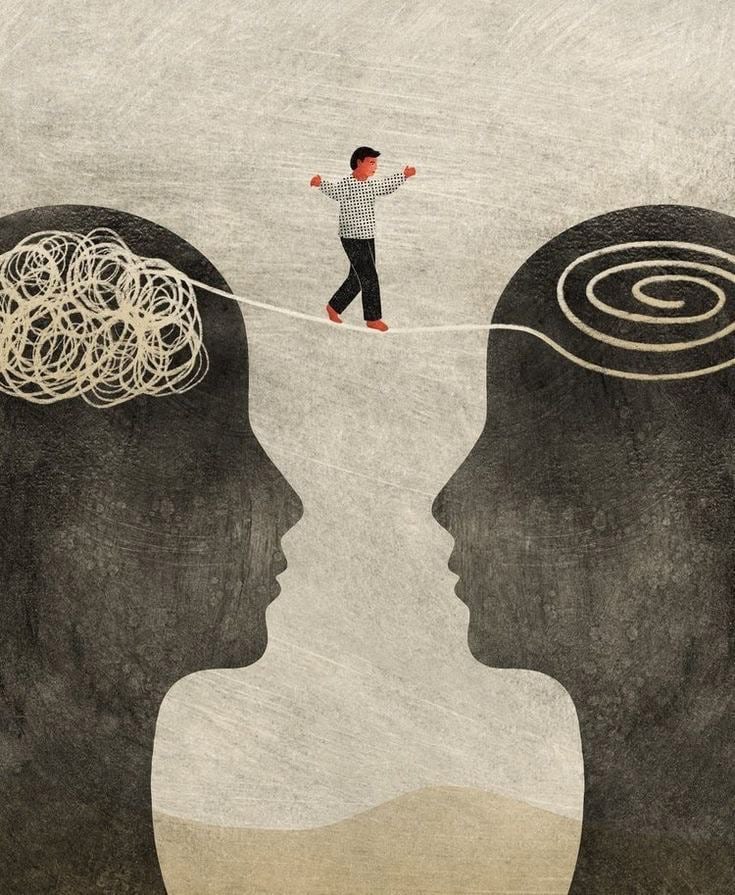
02. Beyond words: mind and body
Sometimes, we can understand something intellectually without fully processing or experiencing it in a deeper level, which is where change actually takes place. This is why therapy can involve more than conversation. Alongside reflection and dialogue, we pay attention to bodily sensations, emotions, breathing and the ways experiences manifest physically. Where appropriate, complementary practices such as guided breathwork and sound may be incorporated to support bodily awareness and exploration of what’s here.

03. Exploration and new possibilities
Therapy is an opportunity to become curious about yourself and experiment with different ways of responding to familiar situations. Through dialogue, reflection and experiential exploration, we can examine established patterns, discover overlooked resources and explore new ways of expressing needs, setting boundaries and relating to others. The process is not about following a prescribed path, but about developing greater awareness and flexibility in how you navigate your life.
A Gestalt Approach
Gestalt psychotherapy is a humanistic, holistic and relational approach to understanding human experience. It views each person as part of an ever-changing relationship with their environment, recognising that our thoughts, emotions, behaviours and relationships are interconnected.
At the heart of Gestalt is awareness: becoming more conscious of what we experience, how we respond and how we relate to the world around us. This involves paying attention not only to what we think, but also to our emotions, bodily sensations, needs and interactions.
The approach is grounded in three main theoretical foundations: phenomenology, field theory and existential dialogue. In practice, this means exploring our direct experience without rushing to conclusions, understanding ourselves within the context of our lives, and recognising the importance of genuine human connection.
Gestalt therapy places particular emphasis on the present moment, exploring how past experiences continue to influence the way we experience and respond to life today. Through dialogue, awareness and experiential exploration, we can begin to recognise familiar patterns, understand our needs and become more aware of the choices available to us.
The aim is not to impose change, but to support greater self-understanding, integration and awareness, allowing change and personal growth to emerge through the therapeutic process.

Let’s start with a conversation
Have questions or want to learn more about the therapeutic process? Book a free discovery call. It’s an opportunity to get to know each other, discuss what brings you here and explore how we can work together.